Both alumina refineries and mining companies have raised their loss forecasts. Consequently, negotiations over Guinean ore prices have emerged as the primary focal point determining whether both parties can maintain profitability during this interim period. At the critical CIF price range of $65–$70 per ton, alumina producers are seeking to close deals at the lower end of the spectrum to reduce costs, while small-to-medium-sized miners aim to secure deals at the upper end to offset their ever-rising mining expenses.
The alumina market is currently situated within a critical window marked by a tug-of-war between “current realities” and “future expectations.” Near-term fundamentals—specifically oversupply, inventory accumulation, and the rollout of new production capacity—constitute a rigid downward pressure; conversely, distant macroeconomic variables—such as the actual enforcement intensity of Guinean export controls, the pace at which Indonesia’s resource protection policies are implemented, and unexpected disruptions to overseas electrolytic aluminum supplies—offer the potential for a directional market breakthrough.
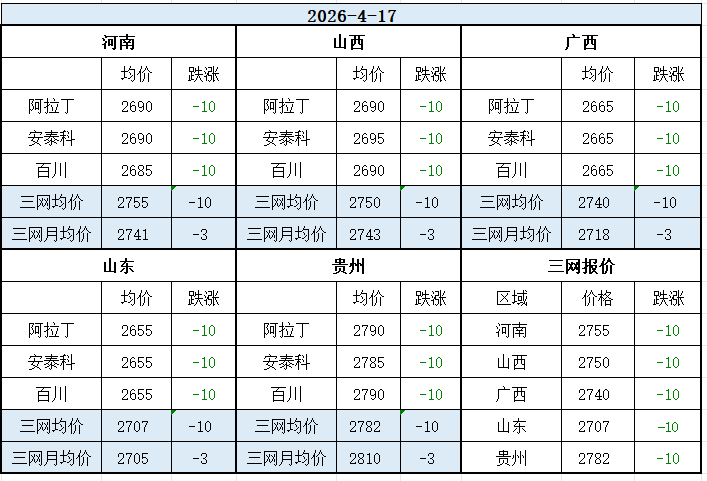
(Chinese version)
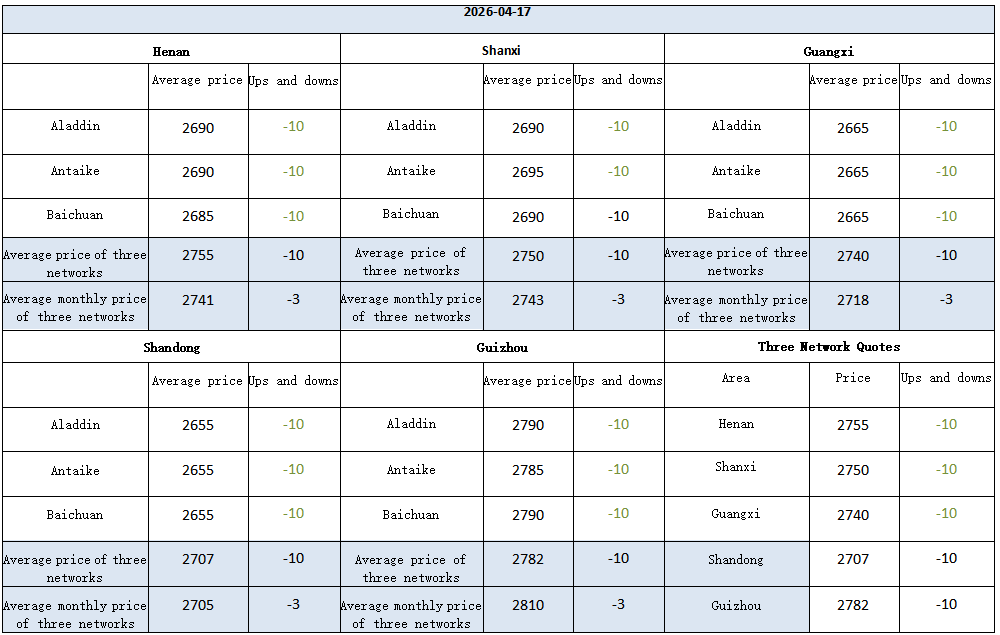
(English version)